
Home ❯ Railings
North Shore Iron Works designs, fabricates, and installs custom railings for homes and businesses across Vancouver, North Vancouver, West Vancouver, Coquitlam, Burnaby, Surrey, and Langley. Every railing we build is engineered to meet the guard and handrail requirements set out in the BC Building Code, and finished in glass, aluminum, wrought iron, stainless steel, cable, or wood to suit your property. Below you'll find the styles and materials we work with, typical pricing, the building code requirements that apply to most projects, and answers to the questions we hear most often from homeowners and property managers.
Custom interior railings for homes and businesses across Vancouver, North Vancouver, West Vancouver, Coquitlam, Burnaby, Surrey, and Langley.

Why Choose Security Railings? Security railings are more than a barrier—they are an investment in safety, property protection, and neighborhood value. Our railings help: Prevent unauthorized access to residential and commercial properties Provide child and pet safety on balconies, decks,

Why Choose Traditional Railings? Traditional railings are more than a functional safety feature—they convey character, sophistication, and harmony with your home’s architecture. They serve multiple purposes: Ensuring safety for family members and guests on stairs, porches, or balconies Providing a

Why Choose Modern Railings? Modern railings are about more than style—they provide: Enhanced safety for families, guests, and employees Seamless integration with contemporary architecture Low-maintenance materials built to withstand local weather conditions Increased property value and curb appeal Our Modern

Transform Your Property with Custom Decorative Railings Our custom decorative railings are designed to complement your architecture and meet your practical needs. Whether you’re looking for intricate wrought iron patterns, modern stainless steel accents, or elegant aluminum balusters, we create

Custom handrails designed for safer stairs, walkways, and interiors across Vancouver, North Vancouver, West Vancouver, and nearby areas.

Why Choose Wood Railings? Wood railings offer a unique combination of classic charm and practical functionality. They are ideal for homeowners who value natural materials, customization, and a timeless look. With proper maintenance, wood railings remain durable and beautiful for

Custom Cable Railing Solutions for Residential and Commercial Spaces Whether for interior staircases, decks, balconies, or commercial spaces, our cable railing solutions are engineered for strength, safety, and long-term use. We work on projects of all sizes including houses, duplexes,

Custom Stainless Steel Railing Solutions for Residential and Commercial Spaces Whether you are upgrading a staircase, balcony, or commercial space, stainless steel railings provide a sleek and durable solution. We handle projects of all sizes from small homes to large

Aluminum Railings Built for North Shore Rain and Vancouver Outdoor Living If you are replacing a tired wood railing on a Lynn Valley deck, updating a balcony guard at a West Vancouver strata property, or adding a stair rail to

Custom Wrought Iron Railings for Residential and Commercial Spaces Whether you are enhancing a staircase, upgrading a balcony, or adding character to your exterior, our custom wrought iron railing solutions are built to last and designed to elevate your property’s

Metal Railings That Fit Your Space and Everyday Use A railing is something you see and use every day. On a staircase, it should feel comfortable to hold. Around a deck or balcony, it should suit the view and the

The short version: frameless glass is one of the best railing options when preserving a view is the priority, but it is also a premium system that requires accurate measurement, suitable structural support and carefully selected hardware. If you want

Modern Glass Railings for Indoor and Outdoor Spaces Enjoy more of your view, bring natural light into your home, and give your space a clean, open appearance. Glass railings are a popular choice for Vancouver properties because they define stairs,

Why Safety & Guard Railings Matter Whether it’s a residential balcony, commercial walkway, or industrial platform, guard railings prevent accidents, define boundaries, and increase overall safety. Our solutions are perfect for: Residential decks, balconies, and staircases Commercial properties, offices, and

Why Commercial Railings Matter Commercial railings are essential for safety, accessibility, and aesthetics in high-traffic areas. Our railings: Ensure compliance with local building and safety codes Provide secure boundaries for staircases, balconies, ramps, and mezzanines Enhance your property’s professional image

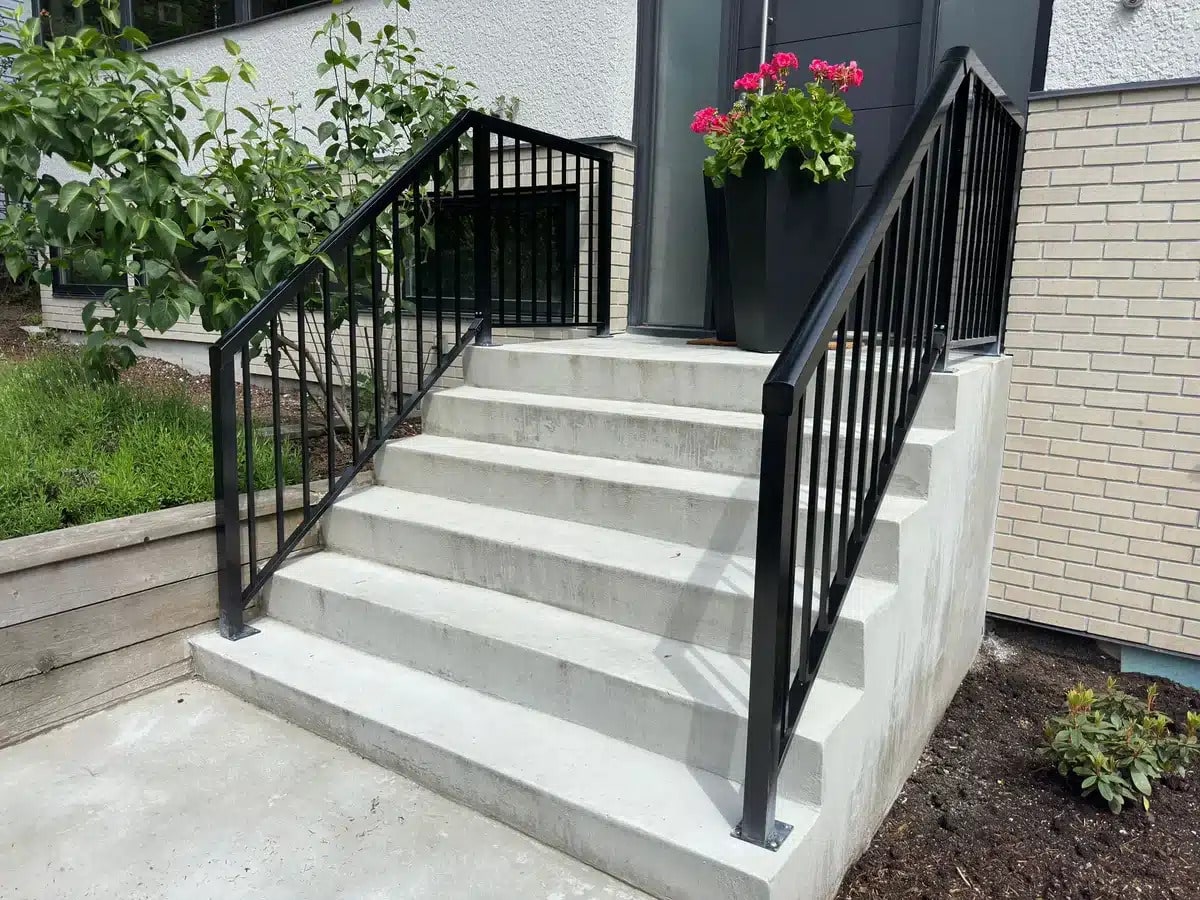
Why Choose Residential Railings from North Shore Iron Works? Local Expertise: Over 30 years of experience crafting railings across the North Shore area. Custom Solutions: Each railing is designed to match your home’s architecture, interior, and exterior style. Durable Materials:

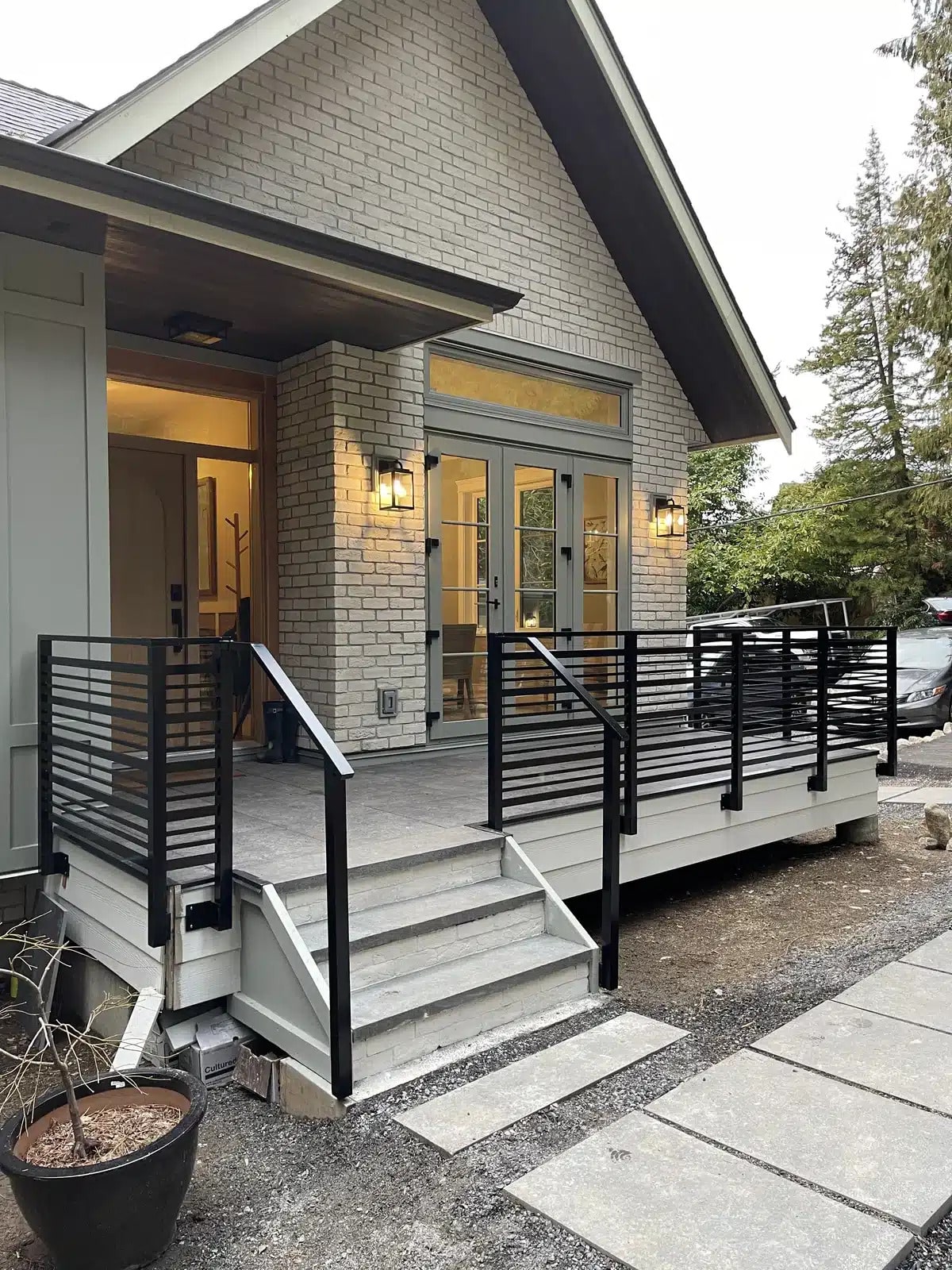
Why Invest in Custom Porch Railings? Porch railings are more than functional barriers—they define the character of your home. Well-designed railings improve safety, enhance curb appeal, and complement your home’s architectural style. Our team specializes in creating porch railing solutions

Custom Deck Railings for Every Home We offer custom deck railings in high-quality materials like glass, wrought iron, aluminum, stainless steel, and cable. Each railing is built to endure Canadian weather while adding a sophisticated touch to your outdoor living

A Balcony Railing Should Work With the Building Balconies can be narrow, angled, exposed to wind or positioned where every inch of the view matters. A railing suited to a street-facing apartment may look different from one on a private

Custom Exterior Railing Solutions for Residential and Commercial Properties Whether you need to enclose a yard, enhance a balcony, or secure an elevated walkway, our custom exterior railings deliver long-lasting performance with a refined finish. We work on projects of

From materials to design details, we can help you compare options and choose a durable solution that works for your property.
Get in Touch
A railing has one job before it has any other: keeping people from falling. Guards along decks, balconies, and elevated walkways, and handrails along stairs, are both regulated under Section 9.8 of the BC Building Code, and it’s the property owner’s responsibility to make sure any new or replacement railing complies. Beyond safety, a well-built railing also protects your investment, the coastal climate here is hard on cheap fasteners and untreated metal, so materials and finishes matter as much as the design.
A railing that’s undersized, has wide gaps, or was installed without accounting for wind and moisture exposure is one of the more common issues we’re asked to fix. Getting it right the first time, with code-compliant heights and marine-grade hardware, costs less over the life of the railing than repairing or replacing one that wasn’t built for the job.
Material is usually the biggest factor in both the look and the long-term cost of a railing. Here’s how the options we work with compare for a Lower Mainland climate:
| Material | Best For | Maintenance | Coastal Durability |
|---|---|---|---|
| Aluminum | Exterior decks, balconies, most residential guards | Low – occasional rinse | Excellent – won’t rust |
| Glass (tempered/laminated) | Balconies, view decks, modern interiors | Moderate – regular cleaning to stay clear | Very good with proper edge sealing |
| Stainless Steel | Contemporary exteriors, cable and post systems | Low to moderate | Very good with marine-grade stainless |
| Wrought Iron | Traditional and ornamental designs | Higher – needs a maintained protective coating | Good, provided the finish is inspected periodically |
| Cable | Minimalist decks and interior stairs | Low to moderate – occasional tension checks | Very good with stainless cable |
| Wood | Covered porches, character-home interiors | Higher – sealing/staining needed regularly | Fair – best kept out of direct, constant rain exposure |
Railing pricing is typically quoted per linear foot, installed, and depends on material, height, the number of posts and corners, glass thickness, and how easy the site is to access. These are the ranges most projects fall into:
| Tier | Typical Price (per linear foot, installed) | Common Materials | Best For |
|---|---|---|---|
| Standard | $150 – $300 | Aluminum picket, standard glass panel, basic wrought iron | Straight runs, budget-conscious residential projects |
| Mid-Range Custom | $300 – $600 | Custom wrought iron, cable railing, stainless accents, most framed glass | Most residential and light commercial projects |
| Premium / High-End | $600+ | Frameless glass, intricate custom ironwork, curved or complex runs | Architectural feature railings and luxury builds |
These figures are a general starting point; the only way to get an exact number is a free, no-obligation on-site assessment, since site access, existing structure condition, and permit requirements can all move the price.
Most exterior guard and handrail projects in this region fall under Section 9.8 of the BC Building Code, and municipalities enforce it through their own building bylaws. As an example, the District of North Vancouver’s guidance for residential decks sets out the following, and it’s the property owner’s responsibility to ensure a new or replaced railing complies:
For glass railings specifically, the glazing used in the guard is expected to meet the CAN/CGSB-12.1 Safety Glazing standard, which is why tempered or laminated glass; not standard annealed glass; is used in any panel that could be subject to human impact.
Requirements can vary between municipalities and by project type, so we recommend confirming the specifics for your property with your local building department before construction. We factor these requirements into every design we quote, and can help you understand what applies to your specific project during your free consultation.
We walk through your space, talk through material and style options, and take the measurements needed for an accurate quote. Most consultations are scheduled within a few days of your first call.
Once a design is approved, your railing is fabricated to spec. Fabrication time varies with complexity and material availability; simple aluminum or cable runs move faster than custom ironwork or large frameless glass installations.
Our installers set posts, secure the railing, and finish the site, aiming to keep disruption to your property to a minimum.
Every installation is checked against the design and against the applicable Building Code requirements before we consider the job complete.
We install railings across Vancouver, North Vancouver, West Vancouver, Coquitlam, Burnaby, Surrey, and Langley, as well as Port Moody and Maple Ridge. If you’re outside these areas, get in touch; we can usually still help.
Our office at 92 Lonsdale Ave sits in the heart of Lower Lonsdale, North Vancouver’s waterfront district, just up from Esplanade. MONOVA: Museum of North Vancouver is right around the corner, and it’s an easy walk down to the water at The Shipyards, where the Shipyards Night Market runs on Friday evenings through the season. Lonsdale Quay Market and the SeaBus terminal are a few minutes further along the waterfront, and the Spirit Trail runs right past the neighbourhood if you’d rather take in the harbour views on foot. If you’re coming from Vancouver, West Vancouver, or the Tri-Cities, this location keeps us within easy reach for a consultation or to drop off project photos in person.
Aluminum, stainless steel, and properly sealed glass hold up best against the rain and salt air common to the Lower Mainland, since none of them rust. Wrought iron can absolutely be used outdoors, but it needs a maintained powder coat or paint finish to stop corrosion over time. Wood is the highest-maintenance option in a wet climate and is best kept to covered areas.
Often, yes. Under the BC Building Code, an attached deck over 2 ft (600 mm) above grade generally requires a building permit, and that permit review includes the guard and handrail work. Standalone handrail or interior railing replacements are sometimes exempt, but requirements differ by municipality. We recommend confirming with your local building department, and we’re happy to help you figure out what applies to your project.
For most residential decks, a guard needs to be at least 36″ (900 mm) high if the deck is more than 2 ft above grade, rising to 42″ (1,070 mm) once the deck is more than 6 ft above grade. There are also rules about gap size and preventing anything a child could climb between 5.5″ and 36″ from the walking surface. A handrail on a stairway with four or more risers needs to sit between 34″ and 42″ above the tread nosing. We size every railing to these requirements as a starting point, then confirm against your local bylaw.
Yes, when it’s specified correctly. Glass used in a guard should meet the CAN/CGSB-12.1 Safety Glazing standard, which means tempered or laminated glass rather than standard annealed glass. Tempered glass is designed to break into small, blunt pieces rather than sharp shards if it’s ever damaged, and laminated glass stays held together by an interlayer even if it cracks.
Most projects fall between $150 and $600 per linear foot installed, depending mainly on material and design complexity, with premium options like frameless glass or intricate custom ironwork running higher. The pricing table above breaks this down by tier, but the only way to get a firm number for your project is a free on-site assessment.
A straightforward residential railing can often be installed in a day or two once fabrication is complete. Fabrication itself typically takes longer for custom ironwork or large glass installations than for standard aluminum or cable runs. We’ll give you a project-specific timeline once your design is finalized.
Yes. Material, finish, post spacing, and design details can all be customized, whether you’re matching an existing architectural style or starting from scratch on a new build.
A guard is the barrier along the open edge of a deck, balcony, landing, or stairway that stops someone from falling off the side. A handrail is the graspable rail you hold onto while walking up or down a set of stairs. The two are governed by different height and design requirements in the Building Code, and a single railing assembly often has to satisfy both at once, for example, a guard along a stair that also functions as the handrail.
Send us your project details & we'll get back to you with a free & no-obligation estimate for you project.
Trusted Quality. Built to Last.
Get A Free Quote
Fill our the form for a free quote by our specialist to get started your project.
Get Your Project Started
Contact us for a free quote